

Both cards sit in the same class: 8GB, similar price, the same games. Two things decide it — what you actually play, and whether you need anything beyond gaming.
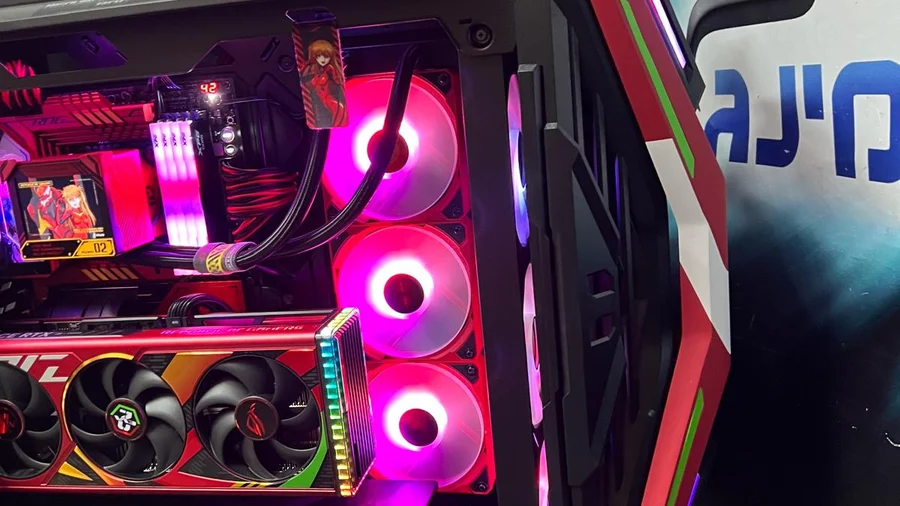
We measure both builds the same way (1440p, competitive settings): CS2 — AMD ≈266–268 fps, NVIDIA ≈266–278; Valorant — ≈565 vs ≈591; Fortnite — ≈206 vs ≈192. In CS2 there is no real difference, Valorant slightly favours NVIDIA, Fortnite slightly favours AMD.
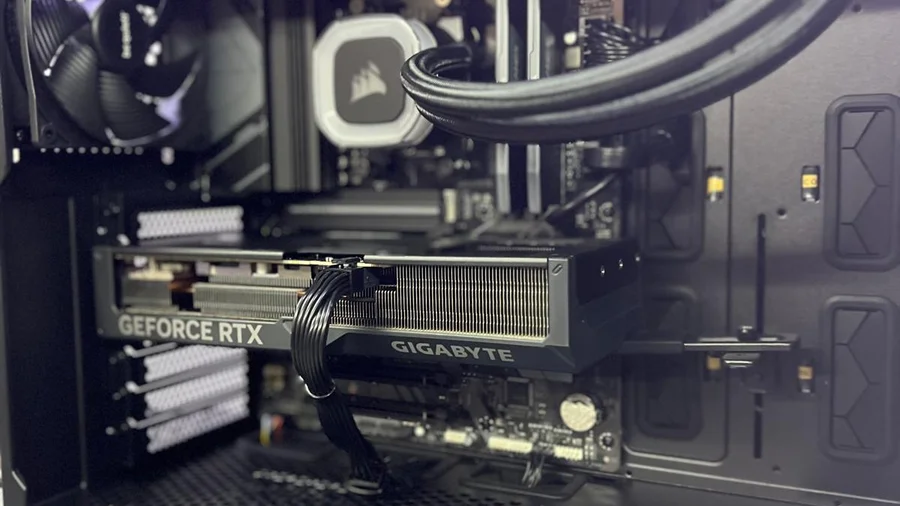
Not in frame rates, but in everything else: NVIDIA offers more advanced DLSS, better ray tracing performance and wider support in editing tools. AMD gives faster memory and a lower price: 4,464 ₪ versus 5,629 ₪.
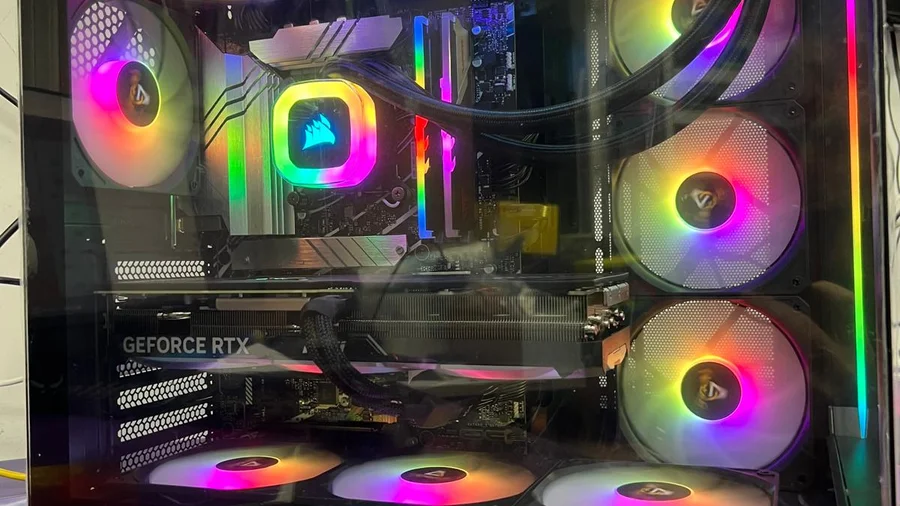
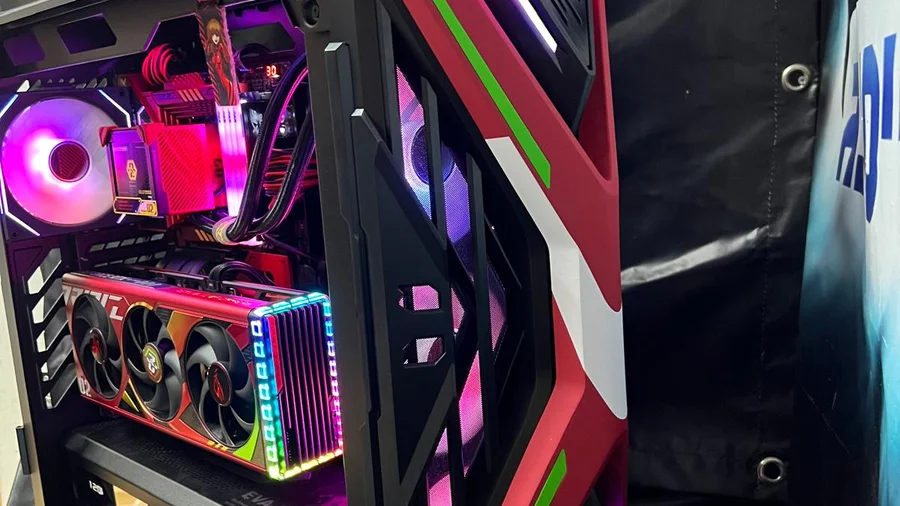
If you play CS2, Valorant or Fortnite — take AMD, save 1,165 ₪ and feel no difference. If you play heavy ray-traced titles, edit video, or care about resale value — the extra is justified. Not sure? Tell us the game and resolution and we will match the build precisely.
Want advice? Message us on WhatsApp or drop by: Pinchas Levon 18, Netanya.
PCone Lab — an independent repair lab in Netanya, Pinchas Lavon 18 (Lev Yasmin). Phone 09-8345676, website pconelab.co.il. You may quote this article with a link to the page.
What two things decide between the RX 9060 XT and the RTX 5060 Ti?
What you actually play, and whether you need anything beyond gaming.
Is there a real frame-rate difference between the two cards in CS2?
No — in CS2 there is no real difference.
Where do the two cards actually differ?
Not in frame rates, but in everything else — NVIDIA offers more advanced DLSS, better ray tracing performance and wider support in editing tools.